
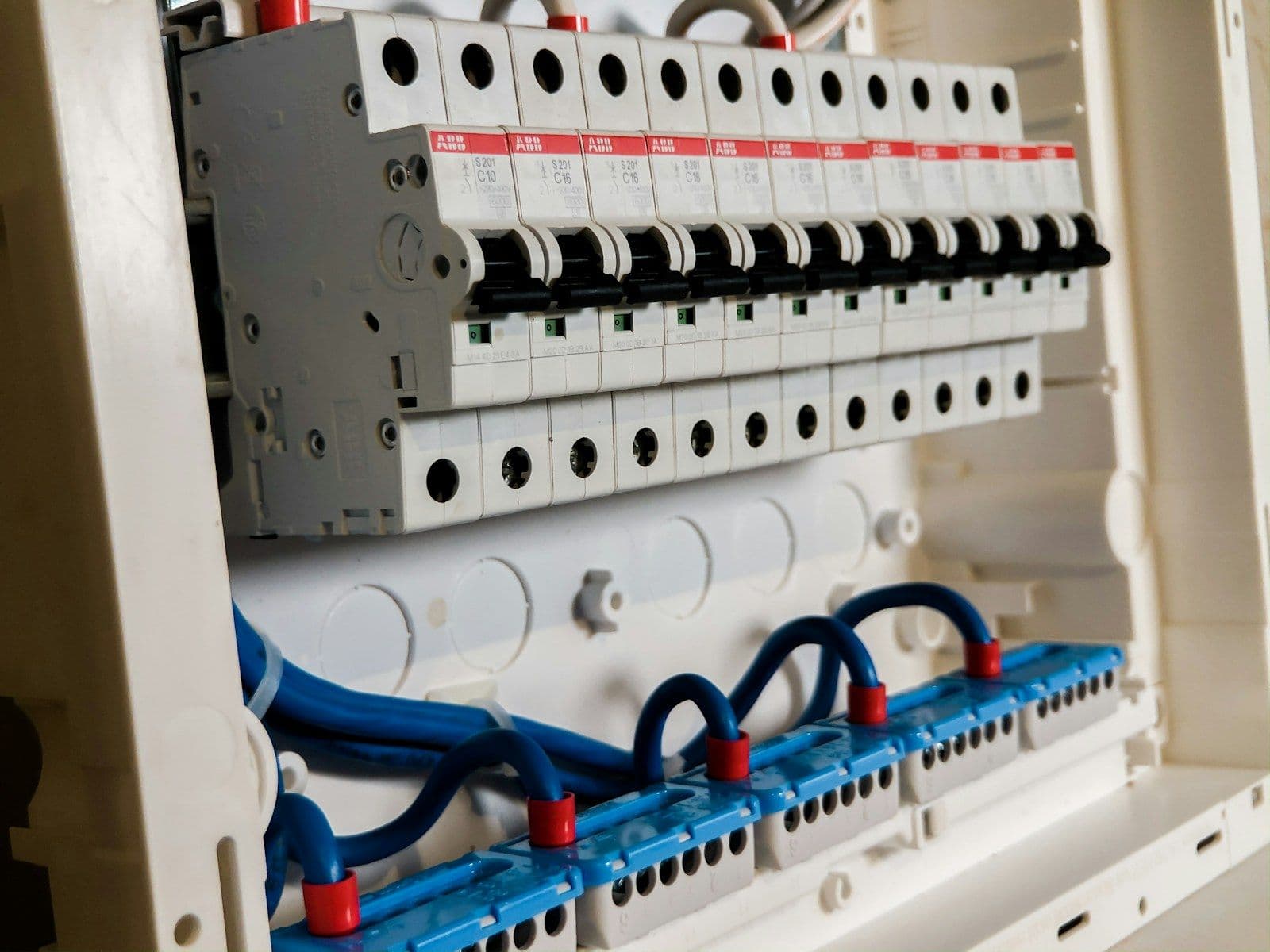
Whether an ADU needs an electrical panel upgrade depends on a load calculation, not on how many empty breaker slots the main panel has. A licensed electrician compares the existing home's loads plus the ADU's planned equipment against the service capacity, and the utility decides what service and metering it will provide. Some ADUs need a new service, some need a new panel or feeder only, and some fit within the existing service.
Electrical rules vary. Most jurisdictions adopt a version of the National Electrical Code, often with local amendments, and each utility sets its own service and metering requirements, so get the specific rules for your project from your jurisdiction and utility.
Before accepting an upgrade allowance, ask what problem the proposed work solves: insufficient calculated capacity, unsuitable equipment, a utility requirement, a new meter, or a combination. Those are different scopes with different dependencies.
ADU electrical panel upgrade: separate the four decisions
The service brings utility power to the property. The meter measures usage. The panel distributes power to circuits. A feeder can supply a downstream panel serving the ADU. Changing one part does not automatically resolve every other part.
Your electrician should explain the proposed arrangement in plain language and identify the equipment affected at the main house as well as at the new unit. Do not open energized equipment or attempt to verify internal components yourself.
Capacity is a calculation
Provide the actual appliance schedule: space conditioning, water heating, cooking, laundry and other intended loads. Include relevant existing-house equipment and planned additions. Ask which calculation method and adopted electrical standards the professional is using.
A square-footage estimate or the sum of breaker labels is not a sufficient purchasing basis. If the assessment is incomplete, have the proposal identify the assumptions that could change the price.
Metering is a separate choice
A separate utility account may be useful for a rental, but a private submeter is not the same as a utility meter. Ask the utility which configurations it permits and ask a local rental professional how billing may be handled lawfully. Avoid designing around a promised tenant account that the utility has not accepted.
Contact the utility before the schedule depends on it
Utility design, equipment locations and final energization can run on a different schedule from the building permit. LADWP's construction-service page provides a local example of this separate workflow. In LADWP territory, its meter-spot instructions say to request a meter spot before installing a new residential service panel.
That example does not establish a national procedure. Your utility should confirm the sequence, required documents, proposed equipment location and any work it performs itself. Ask the builder to identify the latest date those decisions can be made without affecting construction.
Request a complete electrical scope
Use the following questions in the estimate review:
- Is the existing service retained, modified or replaced?
- Is a new meter included, and has its location been accepted?
- Who handles utility applications, engineering and charges?
- Are trenching, conduit, grounding work and surface restoration included?
- What temporary outages or temporary power arrangements are expected?
- Which inspections and utility releases precede energization?
Each unresolved item should have an owner and a decision date. An allowance should explain what it covers and how it will be reconciled. A vague “electrical upgrade as needed” transfers too much uncertainty into the construction phase.
What an experienced ADU builder checks in the electrical plan
On the ADUs we build, the electrical decision is usually settled during design, before the appliance package is final. These are the items that most often change the scope:
- The full appliance list, including the main house. Electric cooking, water heating, heat pumps, dryers and an electric-vehicle charger at either home all count. A plan that adds an ADU and an EV charger in the same year should be calculated once, together.
- The age and condition of the existing panel. Some older panels, brands or installations are a concern on their own, regardless of capacity. If the electrician recommends replacing equipment, ask whether that is a capacity issue, a condition issue or a code requirement.
- Where the feeder or new service will run. Trench length, depth, crossings with sewer and water lines and surface restoration often cost more than the panel itself. Locate the route before pricing it.
- Panel location and working space. A panel inside the ADU or on an exterior wall needs required clearances. Decide its location before cabinets, doors and landscaping are drawn.
- Utility lead time. Utility engineering, meter release and final energization run on the utility's schedule. Ask early how long its process typically takes in your area rather than assuming it matches the building permit.
- Load-management options. Some jurisdictions and utilities accept load-management devices or circuit-sharing equipment that can avoid a service upgrade. Ask whether that is permitted locally before designing around it.
The electrician's findings should come back in writing with the assumptions used, so every bidder prices the same electrical scope.
The Age-in-Place ADU Guide
Design a home around the life your parent wants to keep, build it so it holds up as needs change, and pay no more than it should cost.
Compare design alternatives before ordering appliances
Suppose a proposed equipment package creates a capacity concern. The electrician and designer might compare an equipment change, an accepted load-management approach, or an upgrade. These are evaluation options, not assurances that any particular alternative is allowed or adequate.
Compare installation cost, ongoing usability, maintenance and utility acceptance together. A lower-cost option that prevents the resident from using essential equipment comfortably is not a useful saving. For a care-related unit, discuss equipment requirements with the relevant care professionals early.
Turn the assessment into a decision
Keep the appliance schedule, electrician's findings, utility correspondence and final equipment locations with the project records. Update the builder's price when those decisions change. Start with the ADU Insights lot check where supported, then use a qualified electrician to verify the electrical system that the preliminary layout will require.