
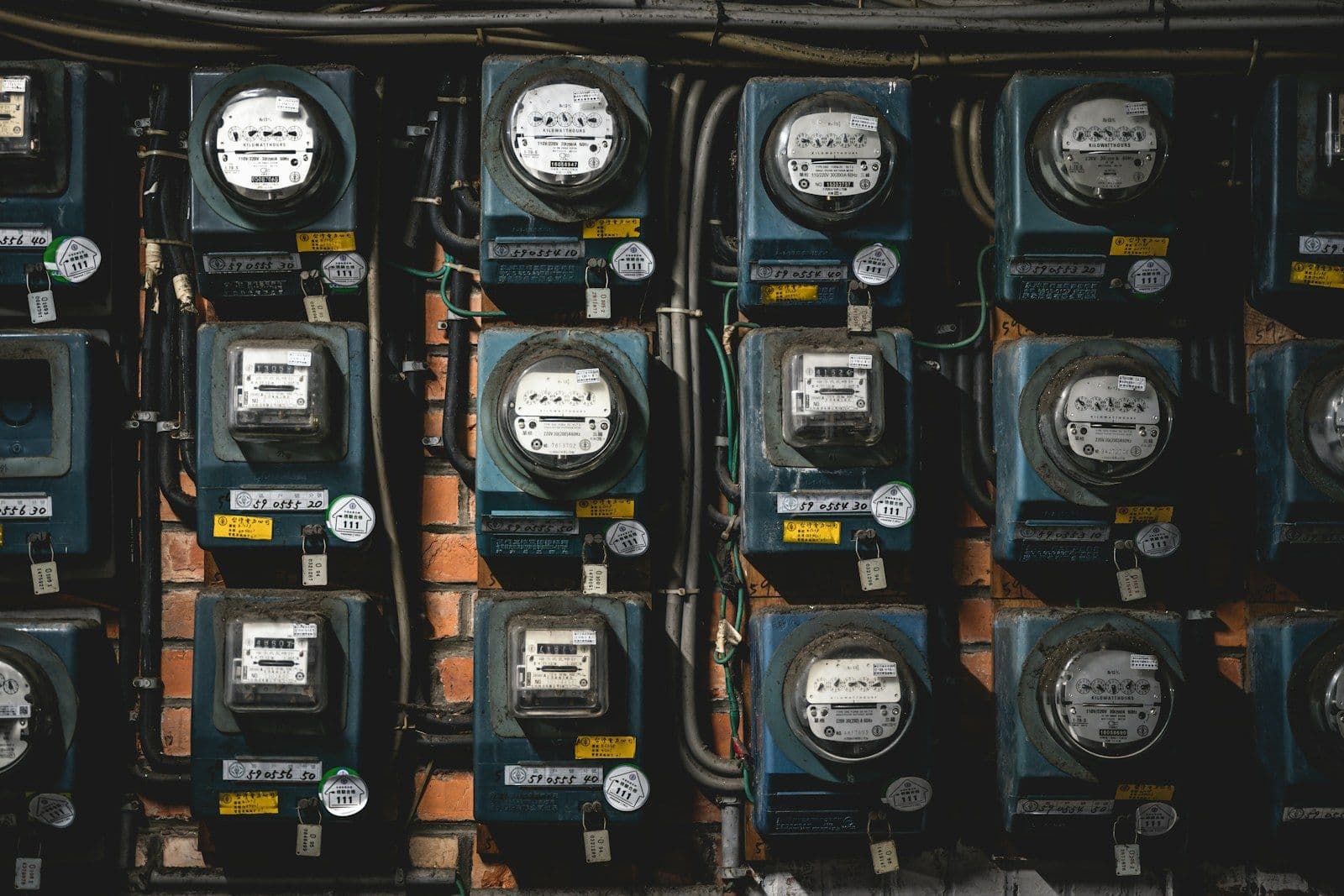
Shared ADU utilities involve two decisions: how the buildings are physically served and how the owner may lawfully charge for that service. Resolve both before construction and leasing, because changing a meter or service line after the walls and trenches are closed costs far more than planning it. A private submeter does not automatically create a utility account or establish a lawful billing method.
The best arrangement is understandable to the resident, workable for maintenance and supported by the utility and local rental rules. Those rules vary widely: some jurisdictions and utilities require or allow separate meters for ADUs, others do not, and state law on billing tenants for utilities differs. It should not depend on informal monthly negotiations.
Compare practical operating models
Direct tenant accounts where available
A separate utility account can simplify responsibility for usage, but the physical work, provider approval and recurring charges need evaluation. A separate electric meter may require a new service or a larger panel. Confirm availability before advertising it, and ask how service transfers at move-in and move-out.
Utilities included in rent
Including a service can create a simple resident experience, but the owner retains usage and price risk. Model the actual expected expense and a higher-cost scenario. Have the lease reviewed for any lawful limitations, disclosures or other requirements rather than inventing a “fair use” clause.
A permitted shared or submetered arrangement
If considering a private measurement or allocation method, obtain local advice about allowed charges, equipment, notices, records and dispute handling. A formula used at another property, or in another state, may not be lawful or suitable here.
What an experienced ADU builder checks
On the ADUs we build, the utility plan is settled before the site plan is final, because trench routes, meter locations and panel capacity all affect cost and layout:
- Electrical capacity first. A load calculation shows whether the existing service can carry both homes or whether a panel or service upgrade is needed. Electrical work follows the locally adopted edition of the National Electrical Code and any local amendments.
- Water meter and line size. Two homes on one meter can mean lower pressure when both are using water. Ask the water provider whether the existing meter and service line are adequate or whether a separate meter is required.
- Sewer or septic path. A shared sewer lateral or septic system needs enough capacity and slope, and some jurisdictions have specific rules for connecting a second dwelling.
- One trench, planned once. Coordinating electrical, water, gas and low-voltage runs in a planned route avoids reopening the yard later. Adding spare conduit for future internet or a future meter is inexpensive while the trench is open.
- Shutoffs you can find. Label panels and valves for each home, and record where they are, so a repair in one unit does not require guessing in the other.
Design for maintenance without unnecessary intrusion
Identify the location of shutoffs, meters, panels, network equipment and service access. Ask which areas the owner or utility must reach and how lawful access will be handled during a tenancy. Do not put essential shared controls in an inaccessible private location without considering operations.
Plan how each home is affected by a repair. If one shutoff interrupts both dwellings, document that fact and ask the designer whether a different arrangement is appropriate. The objective is predictable maintenance, not a promise that interruptions can be eliminated.
For internet, clarify whether a shared connection is appropriate for the intended service, privacy and reliability requirements. Review provider terms and use qualified installation support where needed.
The Investor’s ADU Guide
Underwrite the deal honestly, then build a unit tenants choose and stay in — for no more than an ordinary one costs.
Build an operating worksheet
Create one row per service with these fields: provider, account holder, physical meter, billing arrangement, maintenance responsibility, emergency contact and required lease disclosure. Add current estimated owner expense and the source of that estimate.
Use the worksheet to brief the property manager and lease reviewer. The construction team should see the physical requirements; the leasing team should see the actual accepted operating arrangement. Any mismatch needs resolving before advertising.
Efficient fixtures help when the owner pays for water; EPA's WaterSense program labels products that meet its efficiency criteria. Review insurance implications with the appropriate professional, since shared services do not settle liability by themselves.
Make the listing match the lease
State clearly which utilities are included, which require a tenant account and which follow another lawful arrangement. Explain internet and laundry accurately. Do not use “all utilities included” if important services are excluded or subject to unreviewed additional charges.
At move-in, provide the approved operating instructions and relevant contacts. Keep meter readings or other records when the reviewed arrangement requires them. A clear start reduces later confusion.
Test the owner-paid costs
Run the free ADU lot check early to see site questions that affect utility routing. Use the ADU Insights investor resources to organize the rental plan, then enter realistic owner-paid utilities in the ROI calculator. Review the worksheet again when the resident or use changes.