
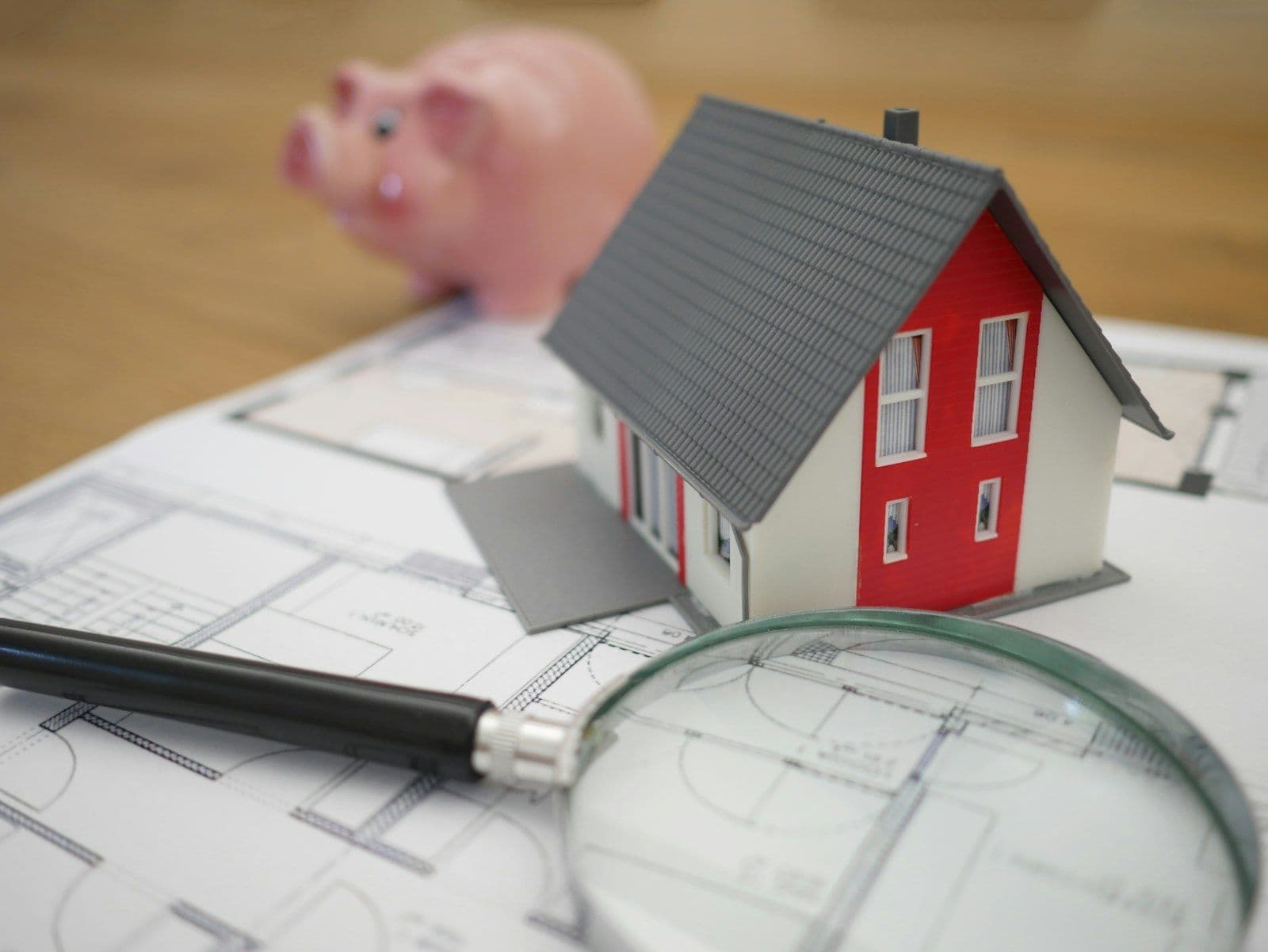
An ADU appraisal does not automatically add what you spent to build it, and a refinance does not automatically return that amount in cash. Cost, appraised value and borrowing capacity are separate questions. If your funding plan depends on a refinance, test the loan and valuation assumptions with your lender before construction starts.
A favorable result from someone else's project is useful context, not a guarantee. Local market evidence, property characteristics and the lender's program determine what happens on your property, and both ADU rules and comparable sales vary widely from one market to the next.
ADU appraisal and refinance: separate cost, value and borrowing
Project cost is what you spend to complete the work. Appraised value is a professional opinion of the relevant property interest under the assignment's conditions. Borrowing capacity depends on the lender's valuation, loan limits, existing debt, borrower qualifications and other requirements.
Even if the property value rises, the available proceeds can be smaller than the owner expects. Existing liens and closing costs also affect cash received. Ask the lender to show the calculation rather than relying on a headline loan-to-value ratio.
If construction is financed separately, understand how that loan ends. The CFPB explains how construction loans work, including that some convert to a permanent mortgage and others must be paid off or refinanced when the work is done.
Confirm how the program treats the property
Fannie Mae's general property eligibility guidance treats a one-unit property with an ADU as a one-unit property subject to stated exceptions and requirements. That is an agency-program rule, not a universal classification for every zoning, tax or lending purpose.
Ask your lender which program applies and how it evaluates the ADU's legal status, completion, use and documentation. Its requirements may differ from another lender's product or from an online explanation written for a different transaction.
Ask about future rent separately
An appraisal recognizing an ADU does not establish that the lender will count all projected rent for qualification. Ask what rent evidence is accepted, when it must exist and which limitations apply. Obtain the current answer for the actual loan you expect to use.
Prepare a useful property record
Provide the lender and appraiser, through the appropriate process, with accurate permits, approved plans, completion records, measured building information and a clear description of the ADU's facilities and access. Include relevant lease information when requested.
Fannie Mae's appraisal guidance addresses how improvements and ADUs are reported under its program. Follow the assigned professional's requests rather than attempting to dictate a value conclusion.
Keep marketing language out of the evidence package. “Luxury investment unit” is less useful than accurate facts about condition, layout, private access, utility arrangements and documented legal use.
What an experienced ADU builder checks
On the ADUs we build, owners who plan to refinance get the most out of the appraisal visit when a few practical items are handled before it:
- The permit is closed. Schedule the appraisal after the final inspection is approved. An open permit or unfinished punch work invites questions about legal status and completion.
- The paperwork matches the building. Approved plans, the final inspection record and any change orders should describe what was actually built, including bedrooms, bathrooms and the kitchen.
- Square footage is measured, not estimated. Give the appraiser the plan dimensions and let them measure; do not round up from a brochure.
- Features are easy to see. Separate entrance, separate utilities where they exist, laundry, heating and cooling and storage should be obvious on a walk-through and listed in a one-page summary.
- Site work is documented. Photos and invoices for utility connections, drainage and foundation work show investment that is not visible on the day of the visit.
- Local ADU sales are noted. If you know of recent sales of permitted ADU properties nearby, share them through the lender's process rather than directly with the appraiser.
The Investor’s ADU Guide
Underwrite the deal honestly, then build a unit tenants choose and stay in — for no more than an ordinary one costs.
Test a lower-proceeds scenario
Build a model with at least an expected outcome and a less favorable outcome. Change the supported valuation assumption and ask the lender to recalculate proceeds using the actual loan terms. Show the cash required to pay off construction debt and close the transaction.
If the shortfall cannot be covered, investigate a smaller project, more owner equity, a different financing structure or a different timetable before building. Do not solve the model by simply increasing the assumed rent or appreciation.
Also test the case where the refinance is delayed. Carrying costs and available cash matter even if the eventual value meets expectations. A completed rental may need time to lease, and qualification conditions and interest rates can change.
Use comparable evidence carefully
Nearby sales and rentals can help frame questions, but not every property with a second kitchen is a comparable ADU property. Differences in legal status, location, quality, access and utility arrangements can matter.
Let the appraiser perform the analysis required for the assignment. If you believe factual information is missing, use the lender's formal correction or reconsideration process with documented evidence. Do not pressure a professional to meet a construction budget.
Use case studies as context
Start with the free ADU lot check to confirm what can be built. Read the ADU Insights buy-renovate-build case study alongside the broader investment guide, then replace its results with your own lender-reviewed assumptions in the ROI calculator.