
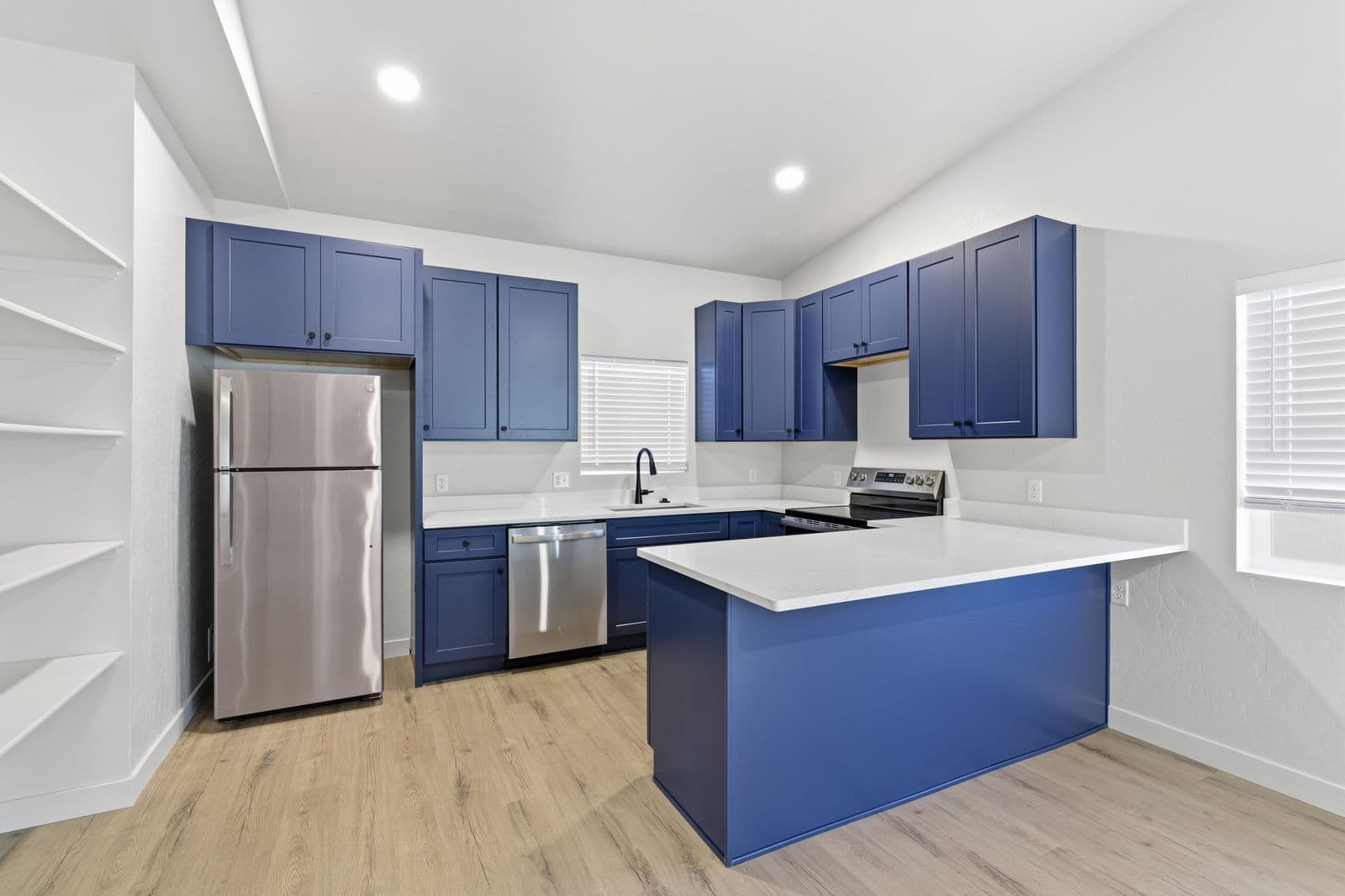
Most ADU change orders don't come from bad luck or hidden problems. On the projects we build, the most common change orders come from the owner: an upgraded tub, a different window, an extra outlet, a new finish picked after framing. Site, utility and agency changes happen less often, but when they do, they are usually the largest. Knowing that pattern lets you plan for both before you sign an ADU construction contract.
This guide explains where ADU change orders come from, how to keep them small, and how to size a contingency for the ones you can't avoid. Specific contract requirements and approval rules change by state and by jurisdiction, so treat this as a builder's planning framework, not legal advice.
What an ADU change order actually is
A change order is a written, signed change to the scope, price or schedule of your ADU construction contract after it is signed. It should say what is changing, why, what it costs (including any credit for work removed), how it affects the schedule, and whether the permit drawings need to be revised.
A good builder won't start changed work until the change order is approved. If your builder is willing to "just do it" on a text message, that is convenient in the moment and expensive later, because nobody can reconstruct what was agreed.
The two kinds of change orders (and why the difference matters)
Owner-driven changes: frequent and mostly avoidable
These are selections and upgrades the owner makes during construction:
- A different tub, shower or tile after the plumbing is roughed in
- An extra window, a bigger slider or a different door style
- More outlets, a ceiling fan, under-cabinet lighting
- An upgraded appliance package or cabinet line
- Moving a wall or a fixture once you can stand in the framed space
Each one is usually modest on its own. Together they are the most common source of ADU cost overruns we see. The fix is simple: make your selections before you sign. Replace allowances with real products and real prices, walk the plans room by room, and decide on outlets, lighting and fixtures while they are still lines on paper. A change on paper costs a few minutes; the same change after rough-in costs labor, materials and time.
Site, utility and agency changes: rarer but larger
These come from conditions nobody can fully see before digging, or from requirements added during review:
- Soil conditions that require a deeper or engineered foundation
- Tree roots or buried debris under the footprint
- A sewer or water connection that has to run farther, deeper, or to a different main than assumed
- A septic system that has to be sized up for two homes
- An electrical panel that can't carry the ADU, requiring a new service
- Extra engineering, inspections or sign-offs required by the building or planning department
These are the changes your ADU contingency is really for. Specific requirements for utilities, septic, soils and engineering change based on jurisdiction and site, which is why the same floor plan can carry very different site costs on two lots.
How to prevent most ADU change orders before you sign
- Do the site homework first. A soils report, a boundary survey where setbacks are tight, and a clear answer on where the sewer, water and power will connect remove most of the large surprises. Use the free ADU lot check to see your lot, setbacks and buildable area before you price anything.
- Turn allowances into selections. An allowance is a placeholder number, not a decision. Every allowance left in the contract is a likely change order later.
- Read the exclusions. Most disputes start with something one side assumed was included: utility trenching, permit fees, landscaping restoration, appliance installation, final grading.
- Match the contract drawings to the permit set. If the plans change during permitting, make sure the contract references the approved set, not an earlier version.
- Agree on the change process in writing. Who can request a change, who can approve it, how it is priced (cost plus a stated markup, or a fixed price), and how schedule impacts are handled.
- Name one decision-maker. When several family members visit the site, decide in advance who can approve changes on the owner's side.
How much contingency should an ADU have?
There is no universal percentage, because the risk sits in the site, not in the square footage. A practical way to size it:
- Low site risk (utilities close to the ADU, known soils, simple access, finishes fully selected): a smaller contingency.
- Higher site risk (long or deep utility runs, septic, slopes, older lots with mature trees, unknown soils, a jurisdiction with extra reviews): a larger contingency held specifically for site and utility work.
Keep the contingency in your budget, not in the builder's price, and track it as changes are approved. If you finance the ADU, ask your lender how change orders and draws are handled before construction begins; a change that fits the budget can still create a short-term cash gap.
The Investor’s ADU Guide
Underwrite the deal honestly, then build a unit tenants choose and stay in — for no more than an ordinary one costs.
What a complete ADU change order should include
| Item | Why it matters |
|---|---|
| Description of the change | Defines exactly what work is added or removed |
| Reason | Owner request, site condition, design coordination or agency requirement |
| Price and credits | Shows the net cost, including credit for removed work |
| Schedule impact | Separates labor time from ordering or approval delays |
| Drawing or permit impact | Flags when revised plans or re-review are required |
| Signatures and date | Records approval before the work proceeds |
Specific contract and change-order requirements change by state and contract type. For example, California's contractor licensing board requires many home-improvement contract changes to be in writing and signed before the work, while other states set their own rules. Confirm what applies to your ADU contract and jurisdiction.
Keep a running total
Keep one simple register: original contract price, approved change orders, credits, pending changes, and the current committed total. A pending change should never quietly become part of the budget. If the ADU will be rented, update your numbers in the ADU ROI calculator whenever approved changes move the total cost.